|
Acrylic CNC processing methods and techniques
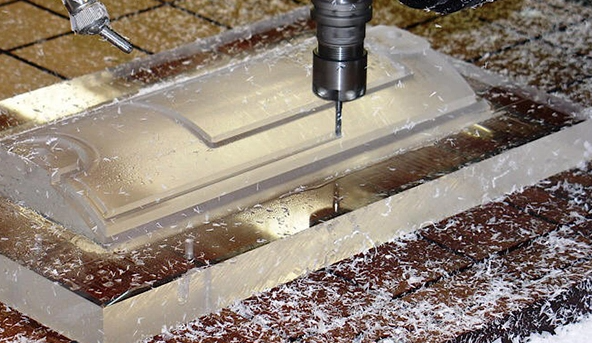
1、 Characteristics and Applications of Acrylic Materials Acrylic (PMMA) is a transparent, sturdy, and highly transparent thermoplastic widely used in billboards, lightboxes, transparent covers, and other applications. Due to its UV resistance, chemical corrosion resistance, and optical transparency similar to glass, acrylic is a good substitute for glass. At the same time, its surface hardness is moderate and easy to polish during processing, but it is also prone to scratches, so it has high requirements for cutting tools and processing conditions. 2、 Key settings for CNC processing of acrylic 1. Feed rate and cutting depth: It is recommended to set the feed rate between 75 and 300 IPM (inches per minute) to prevent overheating or material fragmentation during the cutting process. It is recommended to control the cutting depth at half of the tool diameter to maintain cutting stability. 2. Spindle speed: Usually, setting the spindle speed at around 18000 RPM can achieve a clean cutting effect without overheating. 3. Cooling system: Acrylic is prone to melting due to friction, so cooling is particularly important. The spray cooling system or air cooling system can be used to maintain the low temperature of the tool and material surface to prevent the edge from melting. 3、 Acrylic CNC machining techniques 1. Choose appropriate cutting tools: It is recommended to use O-flute cutting tools or solid carbide cutting tools with a diameter of 1/4 inch. These types of tools have a large chip space, which can effectively reduce material debris and lower blade friction. 2. Multiple shallow cutting: Using multiple shallow cutting methods can remove material layer by layer, reduce heat accumulation, and help improve cutting accuracy and surface quality of finished products. 3. Avoid melting and re bonding: By using large-diameter cutting tools with high cutting speeds, the acrylic material can be cooled to a low temperature before cutting to reduce the risk of re bonding due to frictional heating. 4、 Surface treatment and fixing techniques 1. Vibration prevention: Acrylic is relatively fragile and is prone to surface scratches or uneven cutting during processing due to vibration. Using a vacuum adsorption table or fixture to firmly fix acrylic reduces workpiece vibration and helps achieve a smooth surface effect. 2. Grinding and Polishing: After processing, polishing paste or ultraviolet light can be used for secondary treatment to further improve the surface smoothness. This approach not only enhances the visual effect, but also reduces the small scratches generated during processing. 5、 Common problems and solutions in acrylic CNC machining 1. Cutting edge cracking: Choose the correct tool, such as an O-groove cutter or a carving cutter with a tilt angle of 60 °. These types of tools are suitable for acrylic cutting and can reduce the probability of cracking. 2. Melting phenomenon: increase the feed speed and use spray cooling to ensure that the tool stays on the material as short as possible to avoid material melting caused by excessive friction. By mastering these detailed processing techniques and setting methods, operators can significantly improve the product quality of acrylic CNC machining, reduce scrap rates, and optimize processing time. |